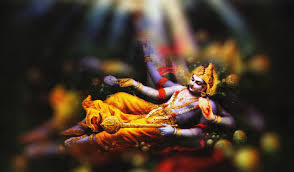
Ekadashi Vrat is a holy fast in Hinduism, dedicated to Lord Vishnu. This fast is observed on the eleventh day (Ekadashi) of both the waxing (Shukla Paksha) and waning (Krishna Paksha) phases of the lunar month. Ekadashi holds great significance as it is believed to be a path to spiritual purification and liberation (moksha). In this article, we will discuss the importance, rituals, significance, and mythological origins of Ekadashi Vrat in detail.
Significance of Ekadashi Vrat
Ekadashi Vrat is not just a religious practice but also a spiritual discipline. It purifies the mind and body while teaching self-control and devotion. According to Hindu scriptures, a person who observes this fast with faith and devotion attains a place in Vaikuntha (Vishnu’s divine abode).
The Origin of Ekadashi Vrat
According to Hindu Puranas, once a powerful energy emerged from Lord Vishnu’s divine consciousness during his meditation. This energy was named “Ekadashi”, and she was born to destroy evil forces and unrighteousness (adharma). Pleased with her devotion, Lord Vishnu declared that those who observe fasting on this day will be freed from their sins and attain salvation (moksha).
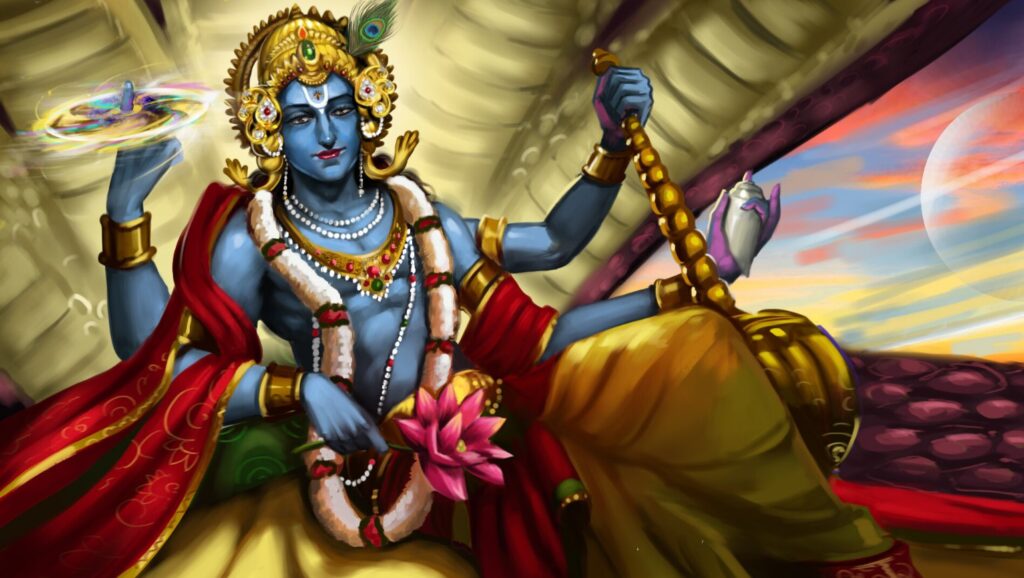
Rituals of Ekadashi Vrat
To observe Ekadashi properly, devotees follow these rules and rituals:
1. Pre-Fasting Preparation (Purna Sankalp)
- A day before Ekadashi, devotees consume pure vegetarian and satvik food.
- They maintain celibacy and a disciplined lifestyle.
2. Morning Rituals (Snan & Puja)
- On Ekadashi, devotees wake up early and take a holy bath.
- They offer prayers to Lord Vishnu using tulsi leaves, flowers, and incense sticks.
3. Fasting Rules (Vrat Niyam)
- Consumption of rice, grains, and lentils is strictly avoided.
- Some devotees observe a strict waterless fast (Nirjala Ekadashi), while others consume fruits, nuts, and milk.
4. Night Rituals (Bhajan & Kirtan)
- Devotees stay awake at night, chanting Vishnu mantras and singing bhajans.
- Reading Vishnu Purana and Bhagavad Gita is considered auspicious.
5. Breaking the Fast (Vrat Parana)
- The fast is broken on Dwadashi (the 12th day) by offering food to Brahmins and needy people before eating.
- Consuming light and sattvic food helps maintain the spiritual essence of the fast.
Types of Ekadashi Fasts & Their Significance
1. Nirjala Ekadashi
- Fasting without food and water.
- Equivalent to observing all Ekadashis in a year.
2. Kamada Ekadashi
- Helps in cleansing sins and fulfilling desires.
3. Pandava Nirjala Ekadashi
- Grants merits equal to performing sacred pilgrimages.
4. Devshayani Ekadashi
- Marks the beginning of Chaturmas (four months of spiritual austerity) when Lord Vishnu enters yogic sleep.
5. Prabodhini Ekadashi
- Symbolizes the awakening of Lord Vishnu and the end of Chaturmas.
Benefits of Observing Ekadashi Vrat
- Spiritual Enlightenment – Enhances devotion and brings one closer to Lord Vishnu.
- Physical Well-being – Improves digestion, detoxification, and mental clarity.
- Karma Cleansing – Helps remove past sins and negative energies.
- Divine Protection – Brings prosperity, happiness, and Vishnu’s blessings.
- Mental Peace – Reduces stress, anger, and emotional disturbances.
Conclusion
Ekadashi Vrat is not just about fasting; it is a spiritual practice that leads to self-discipline, devotion, and inner purification. It helps connect the soul with the Supreme (Lord Vishnu) and brings peace, prosperity, and divine grace. Those who observe Ekadashi with sincerity are believed to attain moksha (liberation) and eternal bliss.
Loving the information on this website , you have done outstanding job on the content.